AI Menu Engineering Restaurant: Maximise Margin per Dish
AI menu engineering for restaurants analyses popularity and margin per dish and provides monthly recommendations for placement, description and pricing.
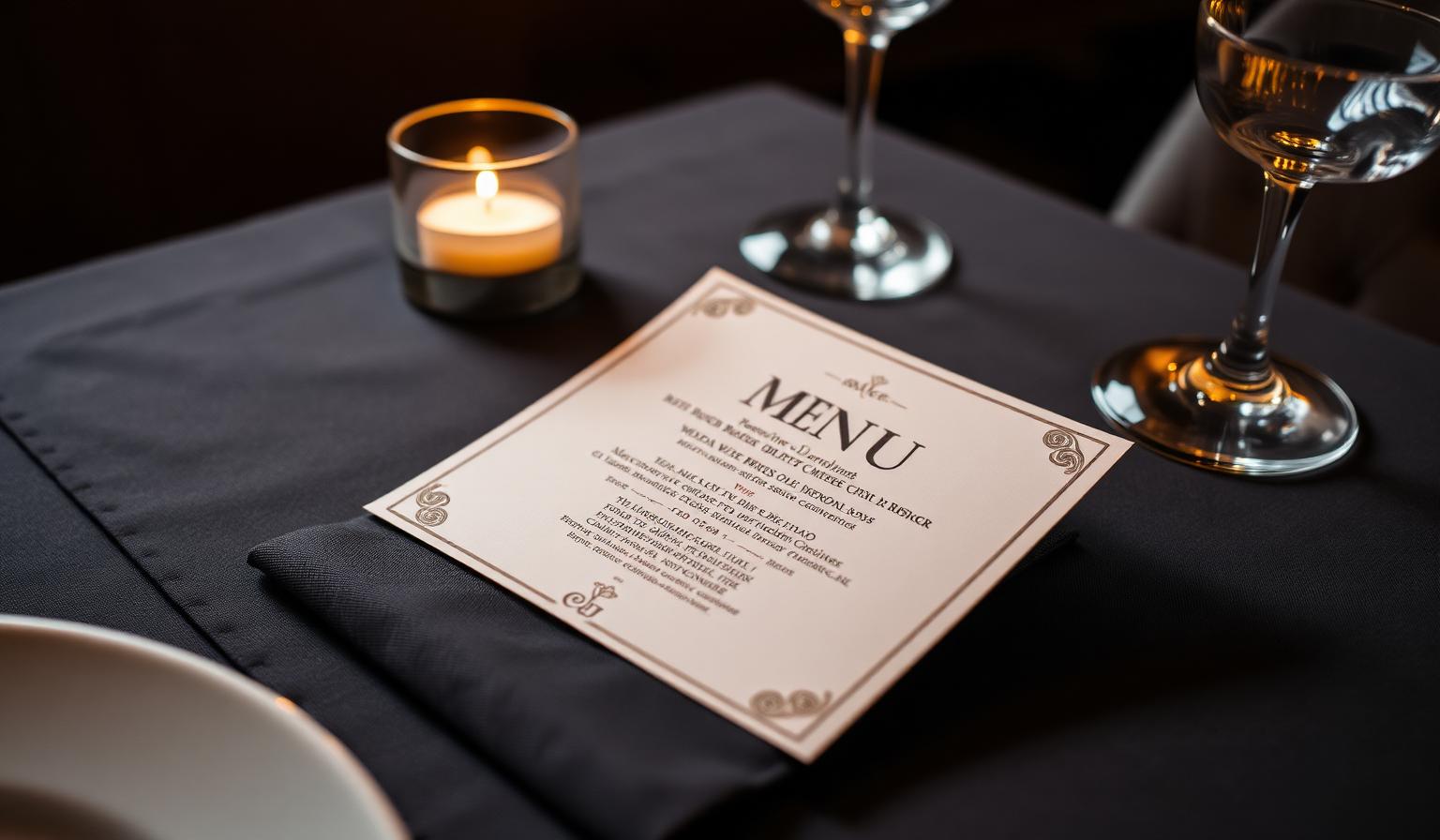
A restaurant menu may look like a static document, but in reality it is your most important sales tool. The order of dishes, pricing, descriptions and even the absence of a euro sign all influence your guest’s behaviour. AI menu engineering restaurant turns that craft into a data-driven process, where every month you can see which dishes generate margin, which ones should be revised and which combinations increase your average spend.
According to CBS figures on the hospitality sector, the average food margin in the Dutch restaurant sector has been under pressure for years due to purchasing and labour costs. And Koninklijke Horeca Nederland notes that smarter menu management is one of the fastest levers to regain margin without losing guests.
In this guide you will learn what AI menu engineering involves, which data you need, the four categories every menu contains and which pitfalls to avoid.
What is AI menu engineering restaurant?
AI menu engineering restaurant is the use of an AI system that analyses how often each dish is sold, the margin it generates and which combinations it encourages. Based on this, the system proposes adjustments to the placement, description and price of each dish.
For the chef this means creative choices are supported by numbers, not replaced by them. For the owner it means a higher average spend per guest without the menu appearing more expensive.
Practical tip: in the first cycle, adjust a maximum of four dishes on the menu. This allows you to see the effect clearly in your sales data and easily reverse changes if an adjustment has unexpected results for your specific guest base.
The four categories of every menu
In classic menu engineering you divide each dish into four quadrants based on popularity and margin:
- Stars: high popularity, high margin. Promote these dishes with placement and description.
- Plowhorses: high popularity, low margin. Increase the price slightly or reduce purchasing costs.
- Puzzles: low popularity, high margin. Give extra visibility or a new name.
- Dogs: low popularity, low margin. Consider replacement or a seasonal role.
An AI system performs this analysis automatically every month based on your POS and purchasing data, instead of a manual Excel exercise that takes several hours.
Also read how AI upsell restaurant works and how dynamic pricing complements menu engineering.
The data you need
AI menu engineering is only as good as the data behind it. Five sources are typically required:
- Sales data per dish from your POS system, ideally covering at least six months.
- Purchasing costs per ingredient to calculate the real margin per dish.
- Table duration and covers to understand contribution per hour and per seat.
- Combination and add-on sales to identify upsell patterns.
- Seasonal and weather data to separate patterns from one-off effects.
We integrate as standard with the major Dutch POS systems and the most commonly used purchasing systems. For unique setups we involve an integration specialist during implementation.
Description and placement: the silent levers
A dish placed at the top of a section with a vivid description is demonstrably ordered more often than an identical dish at the bottom without a description. That is not a marketing story, it is consumer psychology. The AI agent suggests meaningful adjustments per dish to description, placement and possible highlighting, based on your sales data and best practices.
Practical tip: avoid placing a euro sign after every price. According to research from the Cornell School of Hotel Administration, guests spend more on average when prices are presented without a currency symbol. An AI menu engineering system flags these types of details automatically.
Which KPIs should you track?
An AI menu engineering system is only valuable if you can see what it delivers. We report six KPIs as standard that together show margin, popularity and guest experience:
- Average spend per guest before and after each menu adjustment.
- Food margin percentage per category and per dish.
- Sales share per quadrant (stars, plowhorses, puzzles, dogs).
- Combination purchase ratio for upsell effectiveness.
- Table revenue per hour as the ultimate measure of menu and service combined.
- Number of adjustments per cycle as a governance indicator.
AI menu engineering restaurant within your entire AI stack
AI menu engineering restaurant delivers the most value when it does not stand alone. According to Statista’s overview of AI in hospitality, data-driven menu management is one of the fastest-growing AI applications in the European restaurant sector, but the impact doubles when combined with dynamic pricing, live upselling and marketing automation based on the same guest data. The POS then becomes not an isolated silo but the central data brain of your restaurant. For the guest everything still feels familiar: they receive a clear menu, suitable recommendations and a price that feels fair rather than random.
Compliance and transparency in AI menu engineering restaurant
Menu engineering rarely involves personal data directly, but once it is connected to loyalty data or order history the European AI Act becomes relevant. We ensure as standard that recommendation models for menu adjustments use only aggregated data, that individual profiles do not enter decision models without explicit legal basis and that the chef always makes the final decision about what appears on the menu. This keeps AI menu engineering a support for hospitality rather than a replacement for it.
Common mistakes when implementing AI menu engineering restaurant
In the first cycle we regularly see three mistakes. Changing too many dishes at once so effects cannot be isolated, implementing price increases without improving description or placement, and involving the chef only afterwards rather than from the start. Our AI upsell restaurant guide explains how to combine menu engineering with live upselling at the table and how to make the chef a co-owner of the process from day one rather than just an executor.
Getting started with HorecaHub
Want to know what AI menu engineering restaurant would look like for your venue and how much margin you could recover per cycle? Explore the options on the pricing page or schedule a no-obligation conversation via contact. During that conversation we show live how stars, plowhorses, puzzles and dogs appear in your menu, which integrations we set up first with your POS and purchasing system and what measurable results our restaurant clients achieve in the first three months, so you can build a realistic case for your owner or management team. We also discuss whether a monthly or bi‑monthly cycle fits better with your type of menu and seasonal pattern, and what level of chef involvement matches the pace of your team.
See HorecaHub.ai in your business
In 20 minutes we show live how our AI colleague handles calls, emails and chats from your guests.

Frequently asked questions
Sources
Read also
Written by

Martin Jurres
CCO of HorecaHub.ai
Driven by innovation and hospitality, Martin is building the commercial growth of HorecaHub.ai. With experience in sales, partnerships, and product demos, he translates AI technology into real value for hospitality entrepreneurs. His goal: to make every business run smarter, with less hassle and more profit. On this blog he shares hands-on lessons from conversations with hundreds of restaurants, hotels and cafés.
Topics