AI Loyalty Programme Hospitality: Smart Ways to Increase Repeat Visits
An AI loyalty programme for hospitality builds repeat visits with hidden perks, tier systems and milestone invitations, within GDPR and the European AI Act.
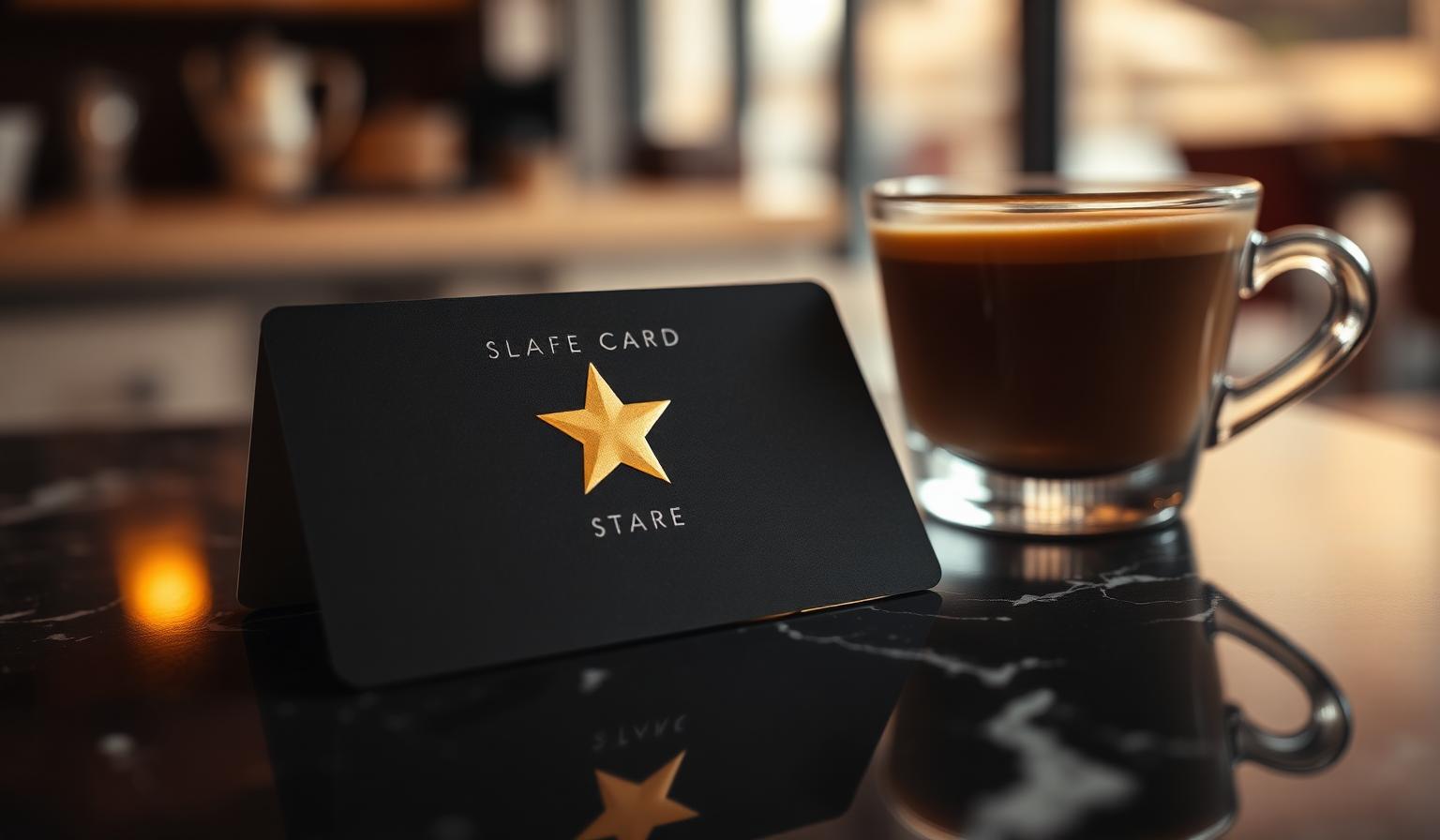
A loyalty programme in hospitality used to be a stamp card or a plastic pass that disappeared to the bottom of a bag after three months. In 2026, guests expect more: personal offers, recognition on arrival and relevant messages at the right moment. An AI loyalty programme hospitality makes this possible without a manager having to manually build segments and mailings every week.
According to Statista's overview of AI in hospitality, personalised guest engagement is the fastest-growing AI application in the European hospitality sector. And Koninklijke Horeca Nederland notes that returning guests spend on average thirty percent more than one-time visitors, a lever you cannot afford to ignore.
In this guide you will learn what an AI loyalty programme actually involves, which reward structures work for restaurants and hotels, how to implement it properly within GDPR and which pitfalls are best avoided.
What is an AI loyalty programme in hospitality?
An AI loyalty programme hospitality is a guest engagement programme that automatically sends personalised rewards, invitations and offers based on behaviour, preferences and visit frequency. Unlike a static points programme, the AI learns which incentive each guest values and at what moment the response is highest.
For the manager this means less manual segmentation and fewer generic newsletters. For the guest it means receiving relevant invitations and feeling recognised rather than overwhelmed with emails.
Practical tip: start with a maximum of three reward mechanisms in the first two months. This keeps the programme manageable for your team and makes it clear which incentive generates the most repeat visits for your specific guest base.
Which reward structures actually work?
In hospitality, generic discount vouchers rarely work well. In practice, these four structures generate the most repeat visits:
- Hidden perks such as a complimentary side dish or welcome drink for returning guests, without public promotion.
- Tier systems with bronze, silver and gold levels linked to annual spend or visit frequency.
- Birthday and milestone invitations with a personal message and a tailored arrangement.
- Early access to events, a new menu or special wine evenings.
Also read how AI marketing automation hospitality builds on this data and how AI upsell restaurant drives extra spend in the venue.
The data you need
An AI loyalty programme is only as good as the data behind it. Four sources are typically required:
- Reservation and visit history from your reservation system and POS.
- Preferences such as diet, favourite table, occasion and companions.
- Communication behaviour such as open rate, click behaviour and channel preference.
- Opt-in and consent including date, channel and legal basis.
We integrate by default with the major NL reservation systems and POS platforms. For hotels we also connect to your PMS for stay history and package data.
GDPR, consent and the right tone
An AI loyalty programme hospitality directly involves personal data, so the legal frameworks are strict:
- The Dutch Data Protection Authority requires explicit opt-in for marketing messages and a simple opt-out in every message.
- Under the European AI Act, you must be transparent about automated profiling and give guests the option to request human review.
- A well-designed preference page lets guests choose which channels and frequency they want, and in practice is the best way to prevent opt-outs.
We include this as standard in the implementation, including an opt-in flow on your website, a proper welcome email and logging your auditor can review.
Which KPIs should you track?
An AI loyalty programme hospitality is only valuable if you can see the results. We typically report six KPIs that together show retention, revenue and channel quality:
- Repeat visit frequency per segment and per quarter.
- Average spend of loyalty members versus walk-ins.
- Customer lifetime value over twelve and twenty-four months.
- Open and click rates per channel and per message type.
- Opt-out rate as a quality indicator for relevance.
- Share of reservations via the loyalty channel as proof of direct value.
AI loyalty programme hospitality as part of your AI stack
An AI loyalty programme hospitality works best when it does not stand alone. Data about preferences, visit frequency and channel response directly feeds your AI marketing automation, your AI agent on WhatsApp and even your menu engineering cycle. A guest who comes to dine every month and always orders fish will automatically receive a personal welcome on arrival and an invitation to the new seafood evening. That level of recognition used to be reserved for regulars at small venues; an AI loyalty programme hospitality makes it scalable for every location.
Three scenarios for an AI loyalty programme in hospitality
Not every venue benefits from the same model. In practice these three scenarios work best, depending on the type of business and guest base:
- Neighbourhood restaurant: focus on hidden perks and birthday invitations, with a light annual tier. The data comes almost entirely from the reservation and POS system.
- City hotel with F&B: a tier system linked to stay history and F&B spend, with early access to events and exclusive packages for gold guests.
- Restaurant chain or franchise: a shared loyalty platform with location-specific rewards, allowing guests to earn points across all locations while each manager can tailor incentives locally.
Whichever option fits, we configure the right flows, integrations and reporting as standard in the first implementation phase, without needing a separate loyalty supplier alongside your existing operation.
Common mistakes when launching an AI loyalty programme hospitality
In the first months we regularly see three mistakes. Launching too many reward mechanisms at once, making the programme confusing; offering generic discounts to everyone, which reduces margins too aggressively; and not training the team to recognise loyalty members when they arrive. Our AI marketing automation hospitality guide explains how to design flows that surprise guests instead of overwhelming them, and how to support your service team with a short recognition note on the tablet or POS.
Getting started with HorecaHub
Want to see what an AI loyalty programme hospitality would look like for your venue and how many additional repeat visits you could expect in the first year? Explore the options on the pricing page or schedule a no-obligation conversation via contact. During that discussion we will show live how hidden perks, tier systems and milestone invitations work together, which integrations we would set up first with your reservation system or PMS, and the measurable results our clients achieve in the first six months so you can build a realistic case for your owner or management team. We also discuss how to support your service team on the floor with a short recognition note the moment a loyalty member walks in.
See HorecaHub.ai in your business
In 20 minutes we show live how our AI colleague handles calls, emails and chats from your guests.

Frequently asked questions
Sources
Read also
Written by

Martin Jurres
CCO of HorecaHub.ai
Driven by innovation and hospitality, Martin is building the commercial growth of HorecaHub.ai. With experience in sales, partnerships, and product demos, he translates AI technology into real value for hospitality entrepreneurs. His goal: to make every business run smarter, with less hassle and more profit. On this blog he shares hands-on lessons from conversations with hundreds of restaurants, hotels and cafés.
Topics