Automating AI Catering Enquiries: Faster Quotes
Automating AI catering enquiries responds within minutes to requests via website, email and WhatsApp, with a suitable quote and availability from your calendar.
A catering enquiry for sixty people that sits unanswered for three days is almost always a lost job. Automating AI catering enquiries ensures every request receives a personal response within minutes, with the right quote lines, available dates and a clear next step, even if your event manager is currently in a meeting or a tasting.
According to CBS figures on the hospitality sector, event and catering revenue in the Netherlands is growing faster than regular restaurant revenue, and Koninklijke Horeca Nederland notes that response speed is one of the most important conversion levers for catering enquiries.
In this guide you will read how automating AI catering enquiries works, what data you need, how to organise the handover to your event manager properly, and which pitfalls are best avoided.
What does automating AI catering enquiries mean?
Automating AI catering enquiries is the use of an AI system that reads incoming requests via your website, email and WhatsApp, recognises which information is missing, checks availability in your calendar and sends a preliminary quote or follow-up question within minutes. Unlike a static form, the AI holds a real conversation until all information is complete, and only then hands the request over to your event manager.
For the event manager this means less time typing standard replies and more time for enjoyable conversations with large clients. For the owner it means a much higher conversion rate on enquiries that would otherwise have gone cold before anyone could respond.
Practical tip: in the first four weeks, let the AI only draft a response that your event manager confirms before sending. This helps your team build confidence in the tone and numbers, and allows you to refine the pricing structure and availability rules step by step.
The data you need
Automating AI catering enquiries is only as good as the data behind it. Five sources are typically required to generate reliable quotes:
- Pricing structure per package with tiered pricing based on number of guests and duration.
- Standard menus and allergen matrix per package and season.
- Availability in your calendar for venue, kitchen and fixed events.
- Capacity limits per room, terrace or off-site setup.
- Historical enquiry data to recognise patterns and conversion by enquiry type.
We integrate by default with the most commonly used NL event and booking systems and with your email and WhatsApp Business environment, so the AI works across all entry points at once and you never miss an enquiry again.
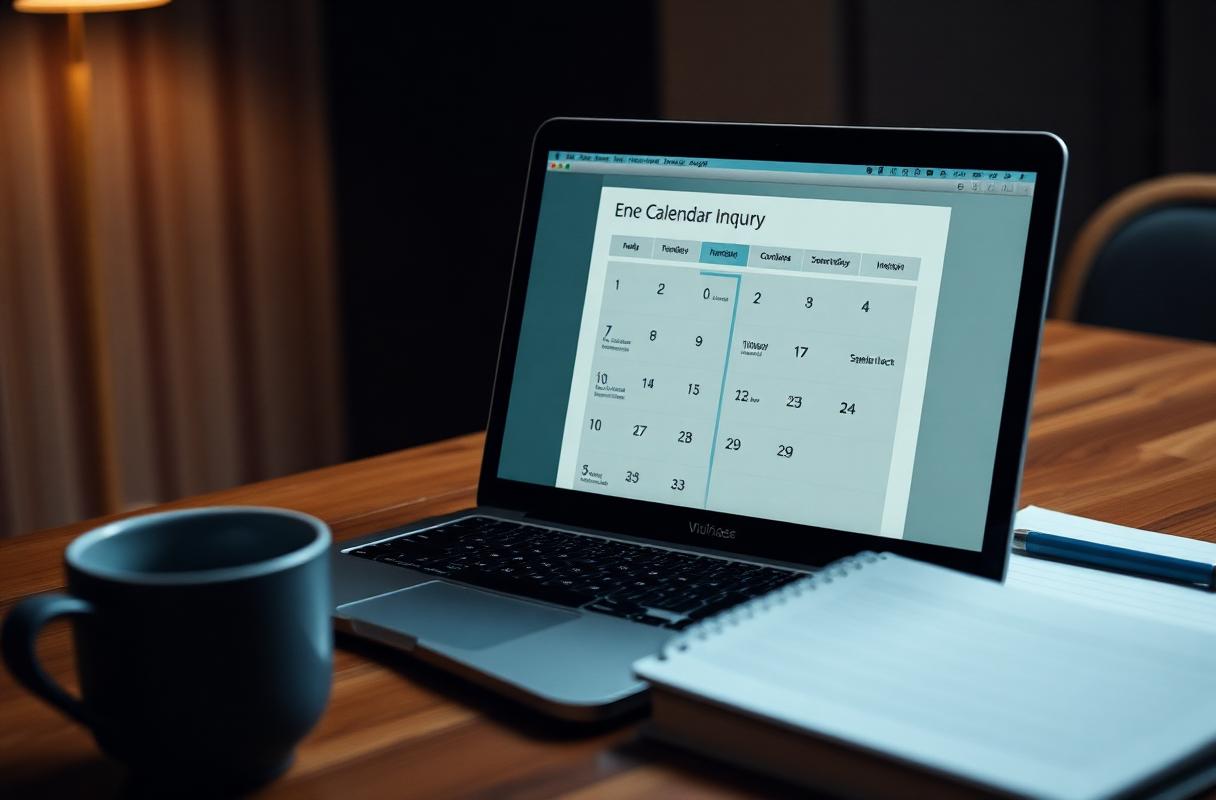
Response speed is the most important lever
The difference between responding within five minutes and within twenty-four hours is enormous for catering enquiries. Business clients usually request quotes from three to five venues at the same time and often choose the first party that responds professionally and completely. By letting the AI send an initial reply immediately with availability and a preliminary indication, you buy time for your event manager to provide a genuinely personal follow-up.
Also read how AI marketing automation in hospitality can follow up catering clients after the event and how AI email automation for restaurants filters and prioritises incoming enquiries.
GDPR and transparency remain leading principles
Catering enquiries often contain sensitive information such as guest numbers, dietary requirements and company names. Under the European AI Act and GDPR, it is important to clearly state that an AI is assisting and that a human checks the final quote. We configure a disclaimer in the automatic response by default and store conversations encrypted in EU data centres with an audit trail that logs every change.
Which KPIs should you track?
Automating AI catering enquiries is only valuable if you can see what it delivers. We report six KPIs by default that together provide insight into speed, conversion and margin:
- First response time in minutes per enquiry.
- Conversion rate from enquiry to confirmed booking in percentages.
- Average order value per event type.
- Number of enquiries per channel, website, email and WhatsApp.
- Enquiries that drop out of the funnel and at which stage.
- Customer satisfaction score regarding the enquiry process.
Quote flow and menu matching with automating AI catering enquiries
A frequently underestimated advantage of automating AI catering enquiries is that the system immediately links the right menu and package to the nature of the request. An enquiry for a wedding of one hundred guests receives a different proposal than a business lunch for twenty people, and the AI calculates live with tiered pricing, drink packages and extra options such as bar staffing or a DJ. According to Statista’s overview of AI in hospitality, conversational commerce in catering and events is one of the fastest-growing applications, precisely because the order value per enquiry is relatively high and every missed response has a direct impact on revenue.
Automating AI catering enquiries in connection with your entire operation
Automating AI catering enquiries has the greatest effect when it is connected to your entire operation. Availability comes from your reservation and event system, allergen information comes from the same matrix used by your chatbot, and marketing automation takes over as soon as an enquiry is completed. An event manager who has an overview of all new enquiries on Monday morning, with suggested menus and available dates per request, can accomplish as much in an hour as would otherwise take an entire day, while still having time left for the truly complex bespoke enquiries that deserve personal contact.
Common mistakes when implementing automating AI catering enquiries
In the first cycle we regularly see three mistakes return. No disclaimer to the requester that an AI is assisting, fixing prices immediately without reservation, and no escalation rule for enquiries above a certain order value or complexity. A fourth mistake we increasingly see is hospitality businesses using the system only for new enquiries and forgetting the follow-up of quotes, while that is often where the greatest conversion gains can still be achieved by automatically sending a friendly reminder on day three and day seven. Our AI marketing automation hospitality guide describes how new enquiries, follow-up and customer retention together form the beating heart of a data-driven event sales approach.
Get started with HorecaHub
Would you like to know what automating AI catering enquiries looks like for your business and how many additional bookings you can realistically expect? View the options on the pricing page or schedule a no-obligation conversation via contact. During that conversation we demonstrate live how the system processes a real enquiry, which integrations we set up first with your event and email environment, and what measurable results our catering clients achieve in the first three months in first response time and conversion, so you can build a realistic business case for your owner or management team. We also discuss how to guide your event manager step by step in working with AI draft responses, and which quick wins are usually visible within the first month in your enquiry volume from website and WhatsApp.
See HorecaHub.ai in your business
In 20 minutes we show live how our AI colleague handles calls, emails and chats from your guests.

Frequently asked questions
What does automating AI catering enquiries mean?
Does the AI replace my event manager?
What data do I need?
Is this GDPR compliant?
Does this also work for restaurants that occasionally host an event?
How do I measure success?
How long does implementation take?
Sources
Read also
Written by
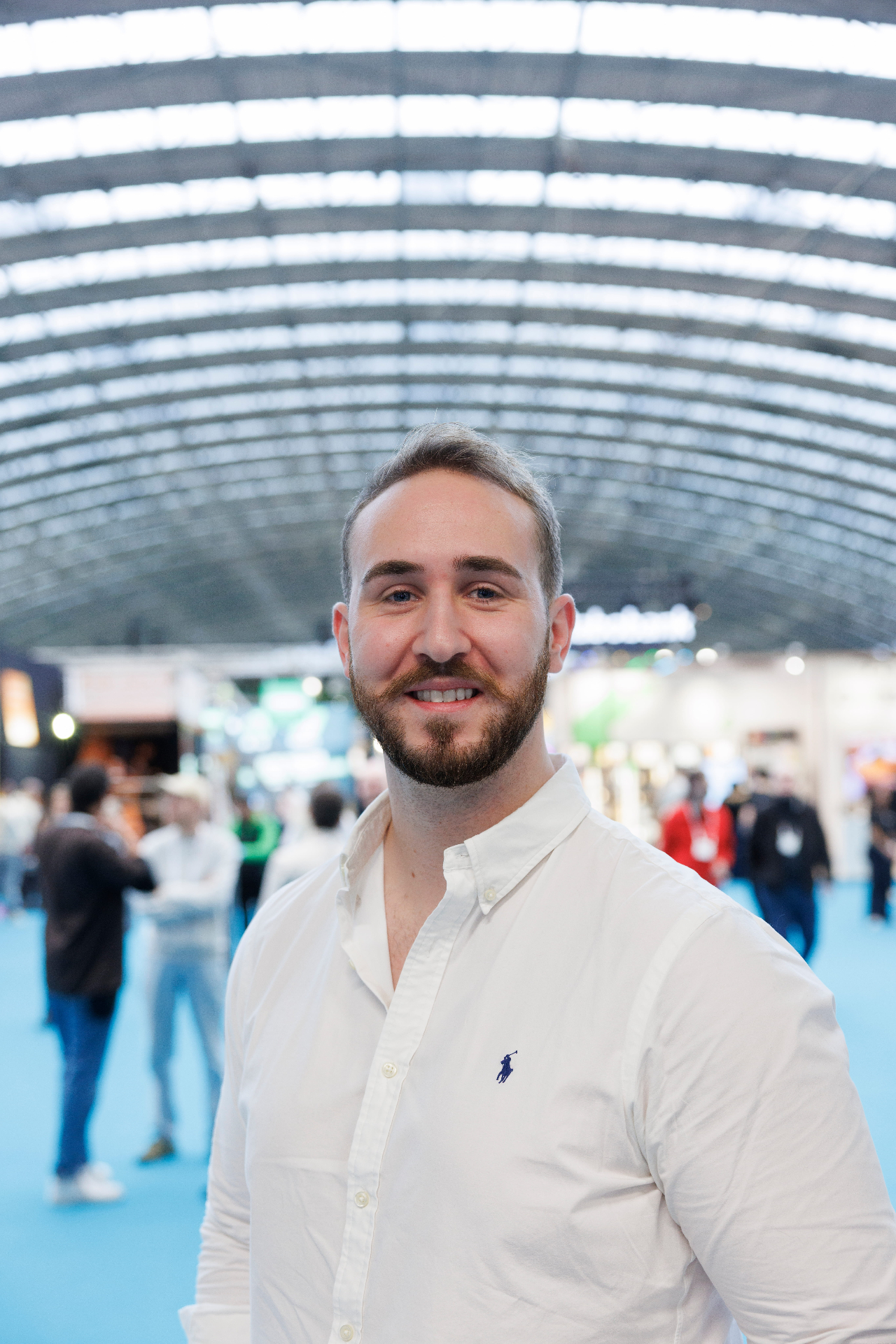
Martin Jurres
CCO of HorecaHub.ai
Driven by innovation and hospitality, Martin is building the commercial growth of HorecaHub.ai. With experience in sales, partnerships, and product demos, he translates AI technology into real value for hospitality entrepreneurs. His goal: to make every business run smarter, with less hassle and more profit. On this blog he shares hands-on lessons from conversations with hundreds of restaurants, hotels and cafés.
Topics