AI Table Planning for Restaurants: More Covers per Seat
AI table planning for restaurants determines the optimal layout in real time based on reservations, walk-ins and table duration, increasing covers per seat.
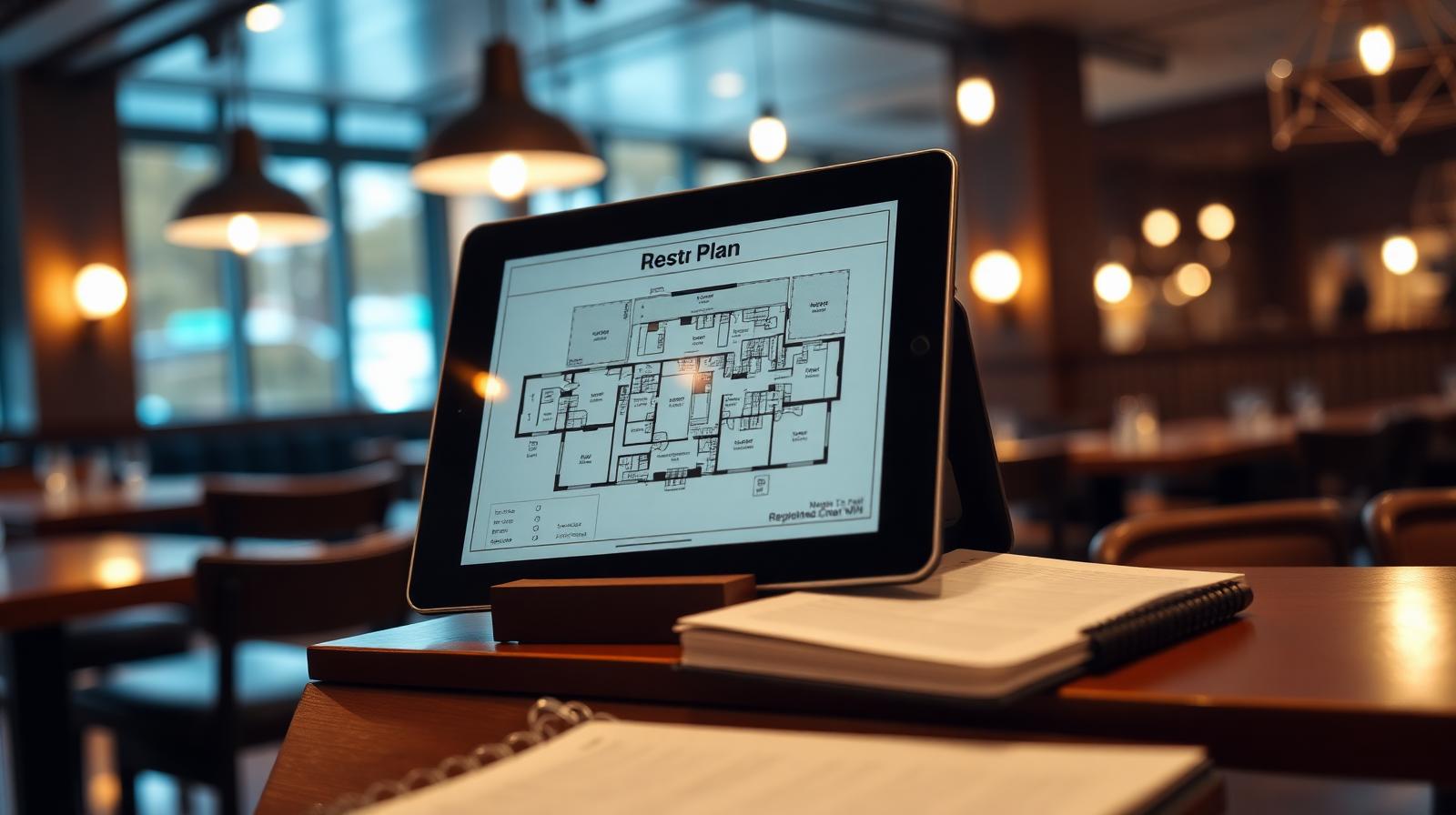
An empty table at half past seven on a Friday is just as costly as a line of waiting guests who cannot get a seat. AI table planning for restaurants brings calm to the floor plan by continuously combining reservations, walk-ins and the average table duration per dish, so your dining room stays optimally filled without feeling rushed.
According to CBS figures on the hospitality sector, average table occupancy in the Dutch restaurant sector remains around sixty percent on peak days, while the potential is much higher. And Koninklijke Horeca Nederland identifies smarter table planning as one of the direct levers to increase revenue per seat without adding extra staff.
In this guide you will learn how AI table planning works, which data you need, how to implement it without frustrating guests, and which pitfalls to avoid.
What is AI table planning for restaurants?
AI table planning for restaurants is the use of an AI system that determines the optimal table layout for each service based on reservations, expected walk-ins, average table duration per party and per dish, and occupancy by zone. Instead of a static floor plan, the AI continuously adjusts the plan during service whenever a table stays longer or shorter than expected.
For the host, this means less switching between the reservation system and the dining room. For the owner, it means more covers per seat without guests feeling rushed or waiting for a table that is still occupied.
Practical tip: for the first two weeks, let the AI only make suggestions to your host without automatically locking in the plan. This helps your team build trust in the recommendations and allows you to fine‑tune the logic to match your venue’s style and the average table duration for each menu type.
The data you need
AI table planning is only as good as the data behind it. Five sources are typically required for reliable planning:
- Reservation data from your reservation system with arrival time and party size.
- Average table duration per menu, party size and time of day from historical POS data.
- Walk-in patterns per day and per hour from at least six months of history.
- Floor plan and linking rules defining which tables can be combined for groups.
- Service pace per dish via POS and KDS timestamps.
We normally integrate with the most widely used Dutch reservation systems and POS platforms as well as well-known table management tools, so the AI can see in real time which table has just been paid and becomes available again.
Planning at table level, not time slots
The difference between planning with fixed two-hour time slots and planning using the actual table duration per party is enormous. A two-person lunch averages fifty minutes, while a four-person dinner with a menu averages one hundred and fifty minutes. By estimating a realistic duration for each reservation, the AI can place additional walk-ins or second seatings in between without making the first guests feel rushed.
Also read how AI no-show prevention for restaurants works together with table planning and how dynamic pricing helps fill quieter moments in your dining room.
Guest experience remains the priority
Maximising table occupancy should never come at the expense of guest experience. Under the European AI Act, table planning does not have to be considered high risk, but transparency towards guests remains important. We configure a minimum table duration per menu type and a buffer between seatings by default, ensuring the AI never resells a table before the current guests naturally finish.
Which KPIs should you track?
AI table planning for restaurants is only valuable if you can see what it delivers. We normally report six KPIs that together provide insight into revenue, occupancy and guest experience:
- Table occupancy percentage per service and per zone.
- Covers per seat per service, the classic seat utilisation metric.
- Number of rejected walk-ins due to lack of space.
- Average waiting time for a guest with a reservation.
- Second seatings as a percentage of total covers.
- Satisfaction score from reviews linked to whether a second seating occurred.
Second seatings and walk-ins with AI table planning for restaurants
A frequently underestimated advantage of AI table planning for restaurants is that you can confidently schedule second seatings on Fridays and Saturdays because the AI can see in real time whether the first seating is running on time. If a table falls behind in service, the system immediately suggests an alternative table or recommends moving the second reservation by ten minutes with a friendly message. According to Statista’s overview of AI in hospitality, dynamic table planning is one of the fastest-growing applications in the European restaurant sector, mainly because the revenue impact per seating is directly measurable.
AI table planning for restaurants as part of your entire operation
AI table planning for restaurants has the greatest impact when it is connected to the rest of your operation. Reservation data drives the base schedule, no-show prevention keeps the number of empty tables low, staff scheduling ensures enough service staff per zone, and menu engineering determines which menu to promote at which time to reach the desired table duration. A host who can see the evening plan on Friday afternoon with real-time advice during service can confidently accept walk-ins that would otherwise have been turned away, without putting existing reservations at risk.
Common mistakes when implementing AI table planning for restaurants
In the first cycle we regularly see three mistakes. Setting table duration to a fixed two hours regardless of the menu, leaving no buffer between seatings so guests feel rushed, and not giving the host veto rights over AI suggestions. A fourth mistake we increasingly see is restaurants using the system only for dinner and forgetting lunch, even though there is often more occupancy to gain there by managing walk-ins and short business lunches more intelligently. Our AI no-show prevention for restaurants guide explains how empty tables and table planning together form the beating heart of data-driven dining room management, and how to support your host rather than overwhelm them.
Getting started with HorecaHub
Want to know what AI table planning for restaurants would look like for your venue and how many extra covers per service you could realistically expect? Explore the options on the pricing page or schedule a no-obligation conversation via contact. During that conversation we show live how real-time planning works, which integrations we set up first with your reservation system and POS, and which measurable results our restaurant clients achieve in the first three months in terms of occupancy and second seatings, so you can build a realistic case for your owner or management team. We also discuss how to guide your host step by step in working with AI recommendations, and which quick wins are usually visible in the first month on Friday and Saturday evenings.
See HorecaHub.ai in your business
In 20 minutes we show live how our AI colleague handles calls, emails and chats from your guests.

Frequently asked questions
What exactly is AI table planning for restaurants?
Does AI table planning replace the host?
What data do I need?
Won’t guests feel rushed by second seatings?
Does this also work for lunch and walk-in concepts?
How do I measure success?
How long does implementation take?
Sources
Read also
Written by

Martin Jurres
CCO of HorecaHub.ai
Driven by innovation and hospitality, Martin is building the commercial growth of HorecaHub.ai. With experience in sales, partnerships, and product demos, he translates AI technology into real value for hospitality entrepreneurs. His goal: to make every business run smarter, with less hassle and more profit. On this blog he shares hands-on lessons from conversations with hundreds of restaurants, hotels and cafés.
Topics